13. February, 2025
What is Decentralized Exchanges (DEXs)
Cryptocurrency trading has come a long way since its inception, and one of the most exciting developments in this space is the rise of decentralized exchanges (DEXs).
These platforms allow traders to buy and sell cryptocurrencies directly with each other without relying on a middleman, like a bank or exchange.
If you’re curious about how DEXs work, why they’re getting so much attention, and whether you should consider using one, you’re in the right place.
Let’s break it down in a way that’s easy to understand—whether you’re a seasoned crypto enthusiast or just starting to dip your toes into the world of digital assets.
What is a DEX?
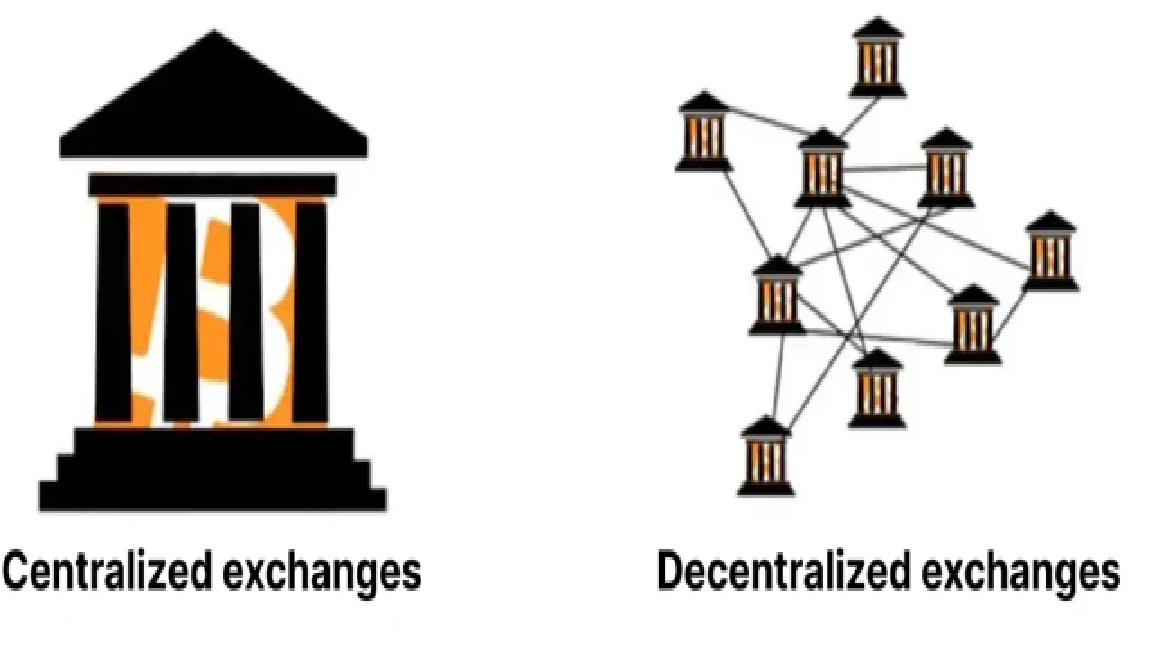
A Decentralized Exchange (DEX) is a platform where users trade cryptocurrencies directly with one another (peer-to-peer), without the need for an intermediary or central authority.
Instead of a company holding your funds like in a centralized exchange (CEX), a DEX lets you keep control of your assets at all times, trading directly from your wallet.
Here’s why DEXs are making waves:
- No Middleman: You don’t have to trust anyone with your funds—just you and your wallet.
- Smart Contracts: These are self-executing agreements that automatically make trades happen when the conditions are met, reducing the chance of human error or interference.
- Privacy: Many DEXs don’t ask for your personal information (bye-bye KYC and AML), so you can trade without giving up your privacy.
So, no need to give away your personal details or trust a centralized platform to manage your funds.
But let’s dig deeper and explore how DEXs actually work and why people love them.
How Do DEXs Work?
When you use a DEX, you’re interacting with a smart contract—a kind of digital agreement that automatically makes things happen.
When you want to buy or sell crypto, you connect your wallet to the DEX, choose the asset you want to trade, and the smart contract does the rest.
Now, unlike traditional exchanges that use order books (where buyers and sellers list orders and wait for someone to match them), DEXs often use liquidity pools.
Think of these pools like a big pot of digital assets that users have contributed to, and when you want to make a trade, you’re swapping your crypto with the pool.
Here are some popular DEXs and how they work:
- Uniswap: This is one of the most well-known DEXs, running on the Ethereum blockchain. It uses AMMs (Automated Market Makers) to determine prices based on the pool’s assets, ensuring there’s always liquidity for trades.
- SushiSwap: Similar to Uniswap but with additional features like yield farming and governance options for token holders.
- PancakeSwap: This one’s popular on the Binance Smart Chain (BSC) and offers lower fees than Ethereum-based platforms, which can make it a good choice for smaller traders.
Why Are DEXs Getting So Popular?
Great question! There are a few reasons DEXs are gaining so much attention, especially in the world of crypto:
- Security & Control: Since your funds never leave your wallet, you don’t have to worry about hackers stealing them from an exchange’s wallet. You’re in full control at all times.
- Privacy: Most DEXs don’t ask for your personal details. This is great for people who want to stay anonymous or avoid extra paperwork (goodbye KYC!).
- Lower Fees: With no middleman, DEXs often have much lower fees than centralized exchanges. For example, Uniswap only charges a 0.3% fee on trades, which is much lower than some CEXs.
- Wide Range of Tokens: DEXs support a ton of tokens, including new and lesser-known projects that might not yet be listed on big centralized platforms. If you like discovering new cryptocurrencies, DEXs are a goldmine.
What Are the Risks?
Nothing’s perfect, right? DEXs come with their own set of challenges, so let’s break them down.
-
Lower Liquidity
Liquidity is the ability to buy or sell an asset quickly without affecting its price too much.
DEXs can sometimes have lower liquidity, especially for smaller tokens. This means you might not get the best price on larger trades, or you could face slippage (when the price changes before your trade is completed).
-
Complexity for Beginners
If you’re new to the crypto world, DEXs can seem intimidating.
You need to set up a crypto wallet, send your funds there, and then connect it to the exchange. It’s not as simple as creating an account on a traditional exchange. But once you get the hang of it, it’s smooth sailing!
-
Smart Contract Risks
While blockchain is generally secure, the smart contracts running on DEXs aren’t foolproof.
They can contain bugs or vulnerabilities, and if you’re not careful, you could be at risk of losing your funds. It’s always a good idea to double-check that a DEX has been audited by trusted security firms.
-
Impermanent Loss
This is a concept for liquidity providers.
If you contribute to a liquidity pool and the prices of the assets change significantly, you might end up with fewer valuable tokens than you started with. It’s called “impermanent loss” and can be a bit of a risk if you’re not careful.
How to Get Started with a DEX
Getting started on a DEX isn’t too tricky, but there are a few steps to follow. Here’s a quick guide:
- Set Up a Wallet: First, you’ll need a crypto wallet that’s compatible with the DEX. MetaMask and Trust Wallet are two popular choices.
- Deposit Funds: Transfer your crypto from an exchange (like Coinbase) to your wallet. You’ll need some ETH or BNB (depending on the blockchain) to pay for transaction fees.
- Connect to a DEX: Visit your chosen DEX’s website, connect your wallet, and you’re ready to trade!
- Start Trading: Choose the pair you want to trade, approve the transaction, and let the smart contract do its thing!
The Future of DEXs
As the crypto space grows, so does the DeFi ecosystem, and DEXs are at the center of it all.
Here’s what we can expect moving forward:
- Layer-2 Scaling: Ethereum is working on solutions like Optimism and Arbitrum to reduce fees and speed up transactions, which will make DEXs even more attractive for everyday traders (KuCoin, 2023).
- Better User Experience: As DEXs mature, expect to see smoother user interfaces and more educational resources to help newcomers feel comfortable trading.
- Cross-Chain Trading: More DEXs are integrating with multiple blockchains, making it easier to trade assets across networks without relying on centralized exchanges.
Final Thoughts
So, should you start using a DEX?
If you’re someone who values control over your assets, loves the idea of trading with privacy, and doesn’t mind a little bit of complexity, then yes—DEXs are worth exploring.
While they come with their risks, the benefits far outweigh them for many traders. And as the technology continues to improve, expect the DEX experience to get even better.
In the end, the future of crypto trading might just be decentralized, and DEXs are paving the way for a more autonomous, transparent, and secure crypto world.